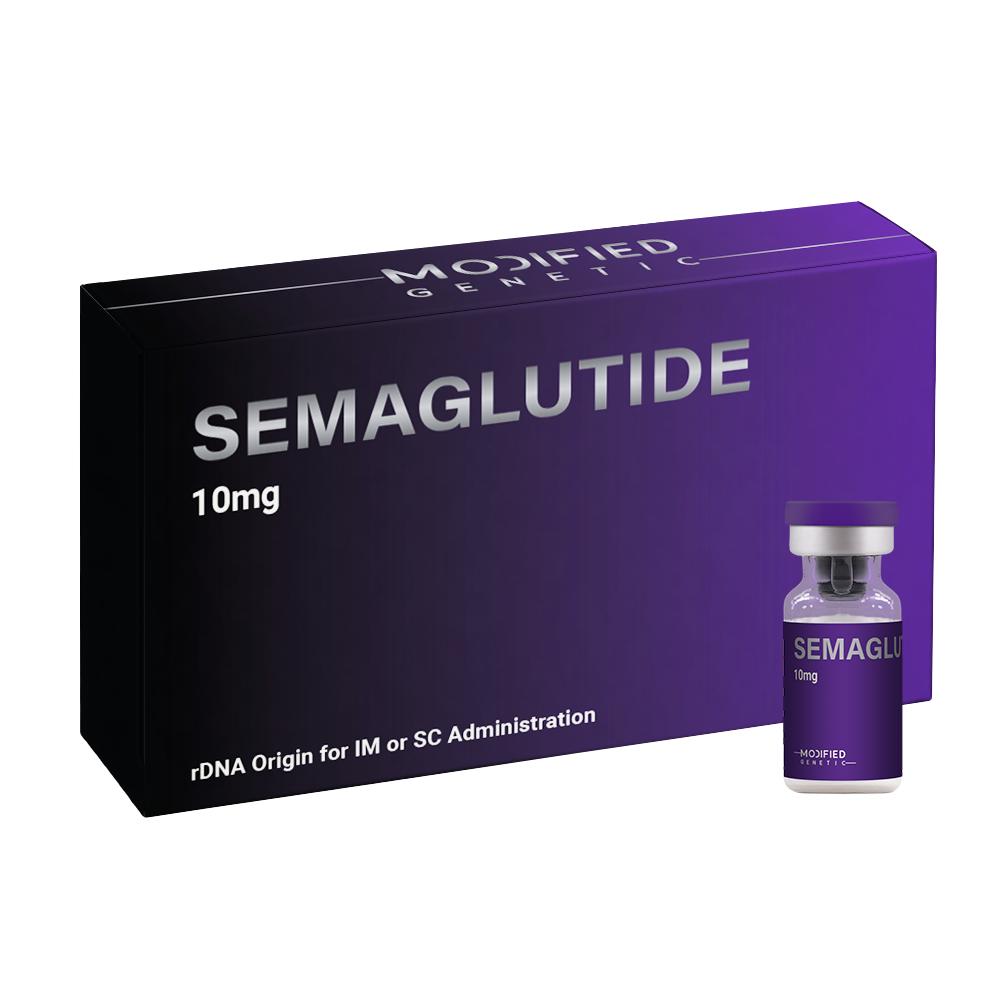
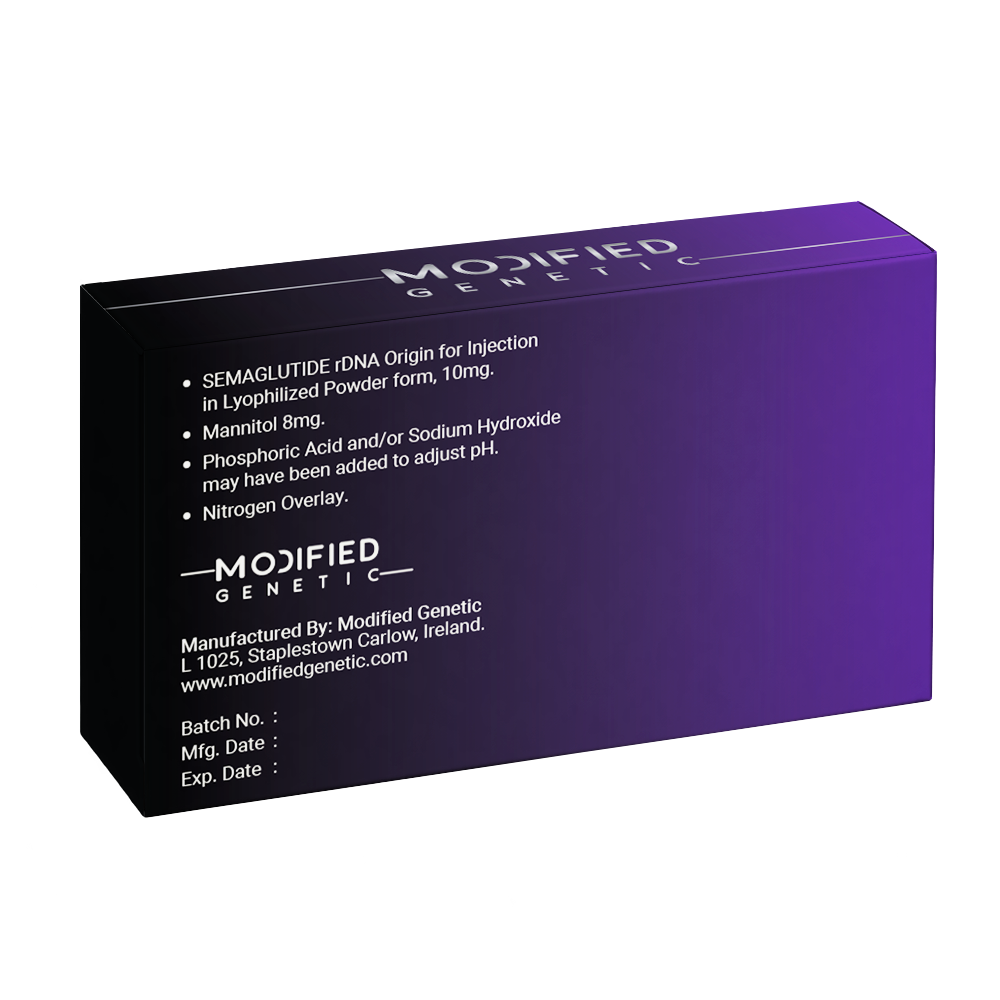
Semaglutide is a long-acting GLP-1 (Glucagon-Like Peptide-1) receptor agonist developed to support healthy weight management, appetite regulation, blood glucose control, and metabolic health. By mimicking the body's natural GLP-1 hormone, Semaglutide is widely incorporated into medically supervised weight management and body recomposition programs. Semaglutide is a GLP-1 receptor agonist that mimics the action of the naturally occurring incretin hormone Glucagon-Like Peptide-1 (GLP-1). It works by stimulating glucose-dependent insulin secretion, suppressing glucagon release, slowing gastric emptying, and increasing feelings of fullness after meals. These combined mechanisms help regulate blood glucose levels, reduce calorie intake through appetite control, and support gradual, sustained weight loss. Alongside lifestyle modifications such as proper nutrition and regular exercise, Semaglutide plays an important role in improving metabolic health and body composition. Semaglutide is commonly incorporated into medically supervised wellness protocols for: Dosage should be individualized and gradually escalated under the guidance of a qualified healthcare professional to improve tolerability. Semaglutide is administered as a once-weekly subcutaneous injection, with dose adjustments based on clinical response and treatment goals. Store unopened vials at 2–8°C, protect from direct sunlight, and do not freeze. After reconstitution, follow recommended storage guidelines and maintain proper aseptic handling. The most commonly reported side effects include nausea, vomiting, diarrhea, constipation, abdominal discomfort, reduced appetite, and occasional injection-site reactions. These effects are generally mild and tend to improve as treatment continues. Persistent or severe symptoms should be evaluated by a healthcare professional. Semaglutide should be used only under professional medical supervision. Individuals with a personal or family history of medullary thyroid carcinoma (MTC), Multiple Endocrine Neoplasia syndrome type 2 (MEN2), pancreatitis, severe gastrointestinal disorders, or significant kidney disease should consult their healthcare provider before use. Regular medical monitoring is recommended during treatment. Semaglutide is commonly incorporated into medically supervised weight management and body recomposition programs. Exercise, resistance training, adequate protein intake, and structured nutrition plans can help support lean muscle preservation during weight loss. Any combination with other metabolic or performance-support therapies should be individualized under professional guidance. The information provided is for educational purposes only and is not intended as medical advice. Use Semaglutide only under professional supervision. Product images are for illustration purposes only and may differ from the actual product. Packaging and labeling are subject to change without prior notice.SEMAGLUTIDE
Semaglutide – 10 mg
How It Works
Frequently Used For
Dosage & Storage
Possible Side Effects
Precautions
Stacking Compatibility
Disclaimer